The most powerful radar on the ground still can’t see a missile flying at 30 meters

In short: Earth’s curvature hides low-flying targets from ground radar no matter how much power it has. A mast-level radar sees a sea-skimming missile only about 35 km out. The fix is height: aircraft and tethered balloons push the horizon past 150 km.
The common picture of air defense is a giant radar that sees everything within a few hundred kilometers. That is true for an airliner at cruising altitude. For a cruise missile hugging the terrain, the same radar is close to blind until the last two minutes.
Read also: The cheapest way to stop a missile is to make it miss · Doubling a radar’s range takes sixteen times the power, not twice · Tank armor stopped getting thicker, and that was deliberate
Geometry beats wattage
Radar waves travel in straight lines, bent only slightly by the atmosphere. The planet curves away beneath them. Anything below that line is invisible, and no amount of transmitter power changes it. That is a different limit from the one in our piece on how doubling a radar’s range takes sixteen times the power. Power sets how far a radar can hear an echo. Geometry decides whether there is an echo at all.
Engineers use a standard approximation, explained in the Wikipedia entry on the radar horizon: range in kilometers is roughly 4.12 times the sum of the square roots of the radar height and the target height, both in meters.
What the numbers look like
Do the arithmetic on the second row. A subsonic missile at roughly 270 meters per second crosses 35 km in a bit over two minutes. That is the entire window to classify it, assign a launcher and fire.
Why height is the real upgrade
Lifting the sensor works better than building a bigger one. Two routes dominate:
- Airborne early warning aircraft fly a radar at several kilometers and look down over the horizon.
- Tethered aerostats hold a radar in place for days or weeks at far lower hourly cost than an aircraft.
- Networked sensors pass a track from a forward radar to a launcher that cannot see the target yet.
- Look-down processing separates a moving missile from the clutter of the ground beneath it.
Israel has gone the aerostat route. In 2022 the Defense Ministry presented Sky Dew, a large tethered balloon carrying an Elta radar, aimed at threats that fly low and slow. A balloon at that height turns a two-minute warning into roughly ten.
How this shapes the interceptor layer
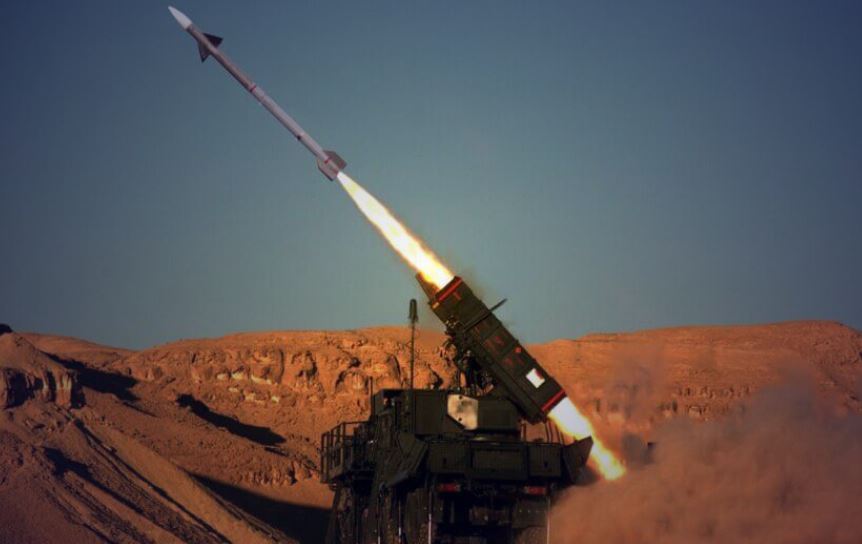
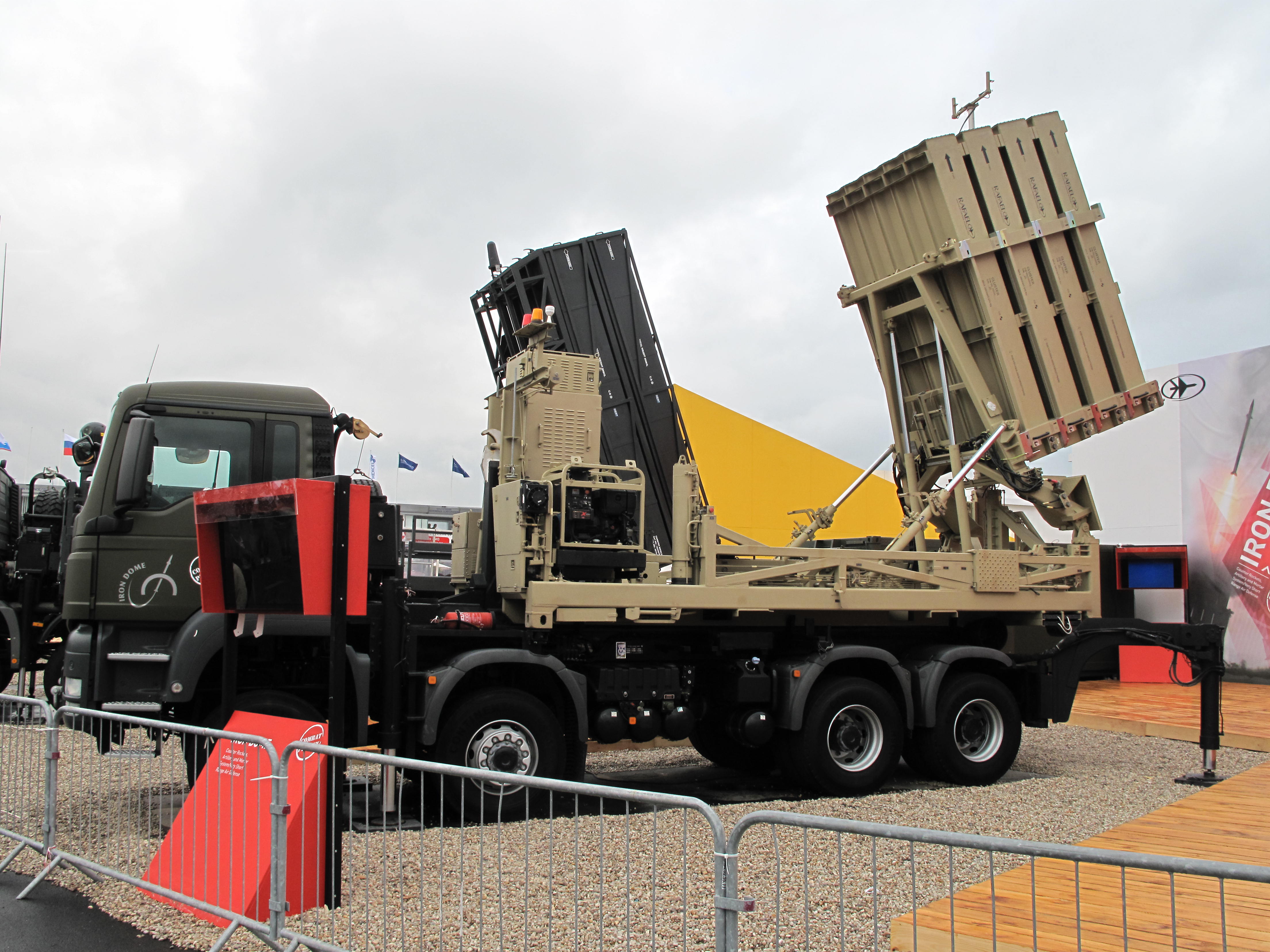
A short warning window pushes the job toward close-in weapons. That is one reason point defense and area defense are built as separate systems: one has minutes to work, the other seconds. It also feeds the cost debate, since a late detection often means firing an interceptor that costs more than the threat, with no time to pick a cheaper option.
Next time a news report quotes a radar’s maximum range, check the target altitude behind that number. Below a hundred meters, divide it by roughly ten.
More articles you may like
- The cheapest way to stop a missile is to make it miss
- Doubling a radar’s range takes sixteen times the power, not twice
- Tank armor stopped getting thicker, and that was deliberate
- The interceptor problem no missile can solve, and a laser might
- The Interceptor That Costs More Than the Rocket It Kills Was Always the Real Problem
- The city shield that would sink your warship